
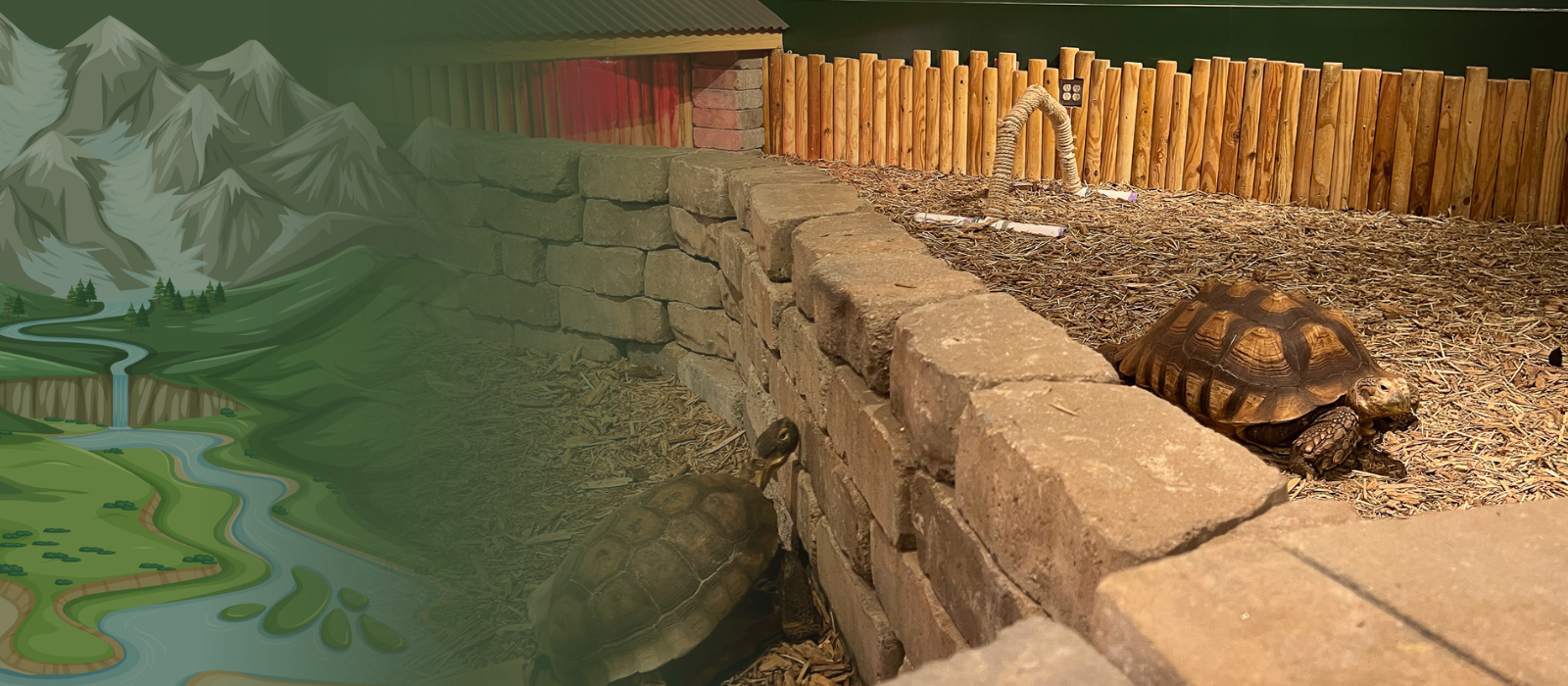
Edgerton Gallery
From fins to webbed toes — explore the living world of reptiles, amphibians, weather, and more in this interactive exhibit!
From Land to Sea...
Located in the Aquarium/Planetarium building on the SALT Block, Edgerton Gallery is home to our three large tortoises, an Argentinian black and white Tegu, and an American alligator. You'll also find a coral reef tank featuring many species of coral and reef fish, and a Climate Outpost Weather Station!
Learn about animals, weather, and their relationship with our ever-changing world.
Not a Member? Join today to visit anytime FREE!
Join Today!Herpetarium
See reptiles and amphibians up close. Take a peek behind the scenes to watch our Animal Care team at work.
Animal Habitats
Three tortoise species, a Theodore the Tegu, and Lucy the American Alligator call this gallery home.
Live Coral Reef
A thriving coral reef tank with reef inhabitants, tactile spinners, and a focus on coral conservation.
Climate Outpost
A weather station and climate tools that help visitors understand our changing world.
What You'll Find
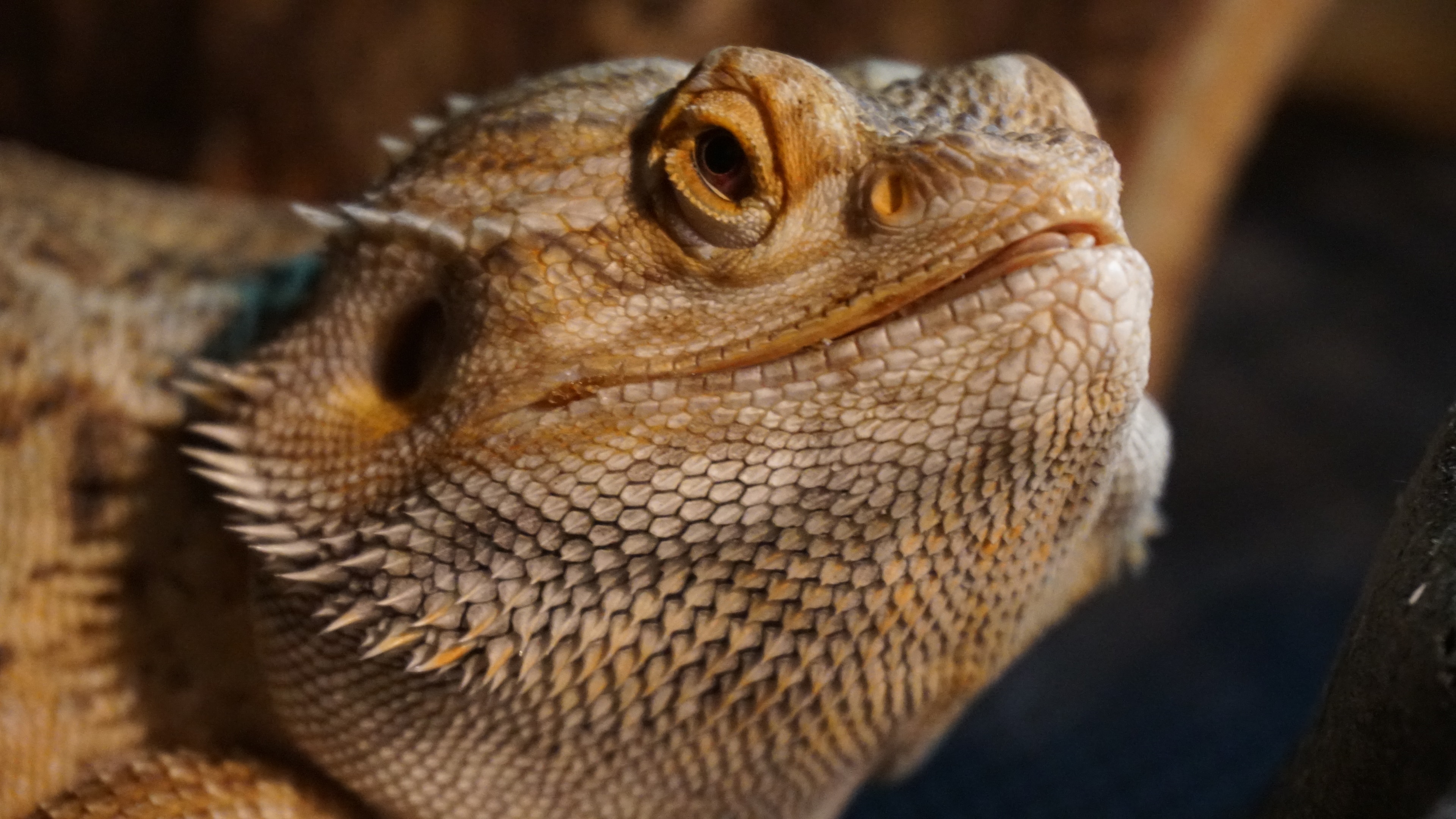
Herpetarium
A Herpetarium is a zoological exhibition space for reptiles and amphibians. Take a peek behind the scenes at many of our program animals.
Watch Animal Care staff at work as they care for our living collection of reptiles and amphibians.
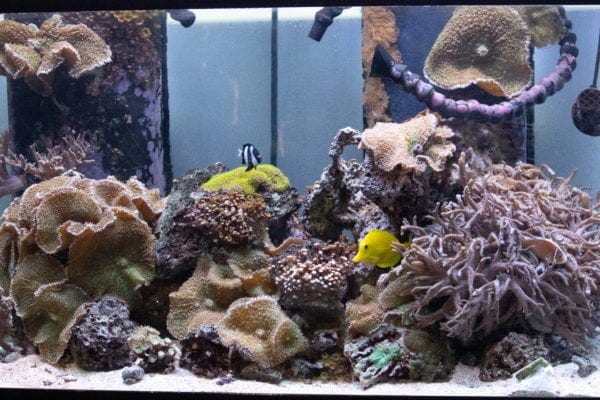
Live Coral Reef
Our LIVE Coral Reef focuses on coral conservation and contains several species of coral as well as reef-dwelling animals such as yellow tang and emerald crabs.
Interact with our tactile 'Feel the Reef' spinners to experience what ocean life feels like! Watch the video of Coral Crusader, Shari Regenbogen-Ross, to learn all about the importance of corals.
Meet the Residents
CSC is home to a remarkable living collection of reptiles and amphibians each with their own unique traits and background! Here are a few you might find...
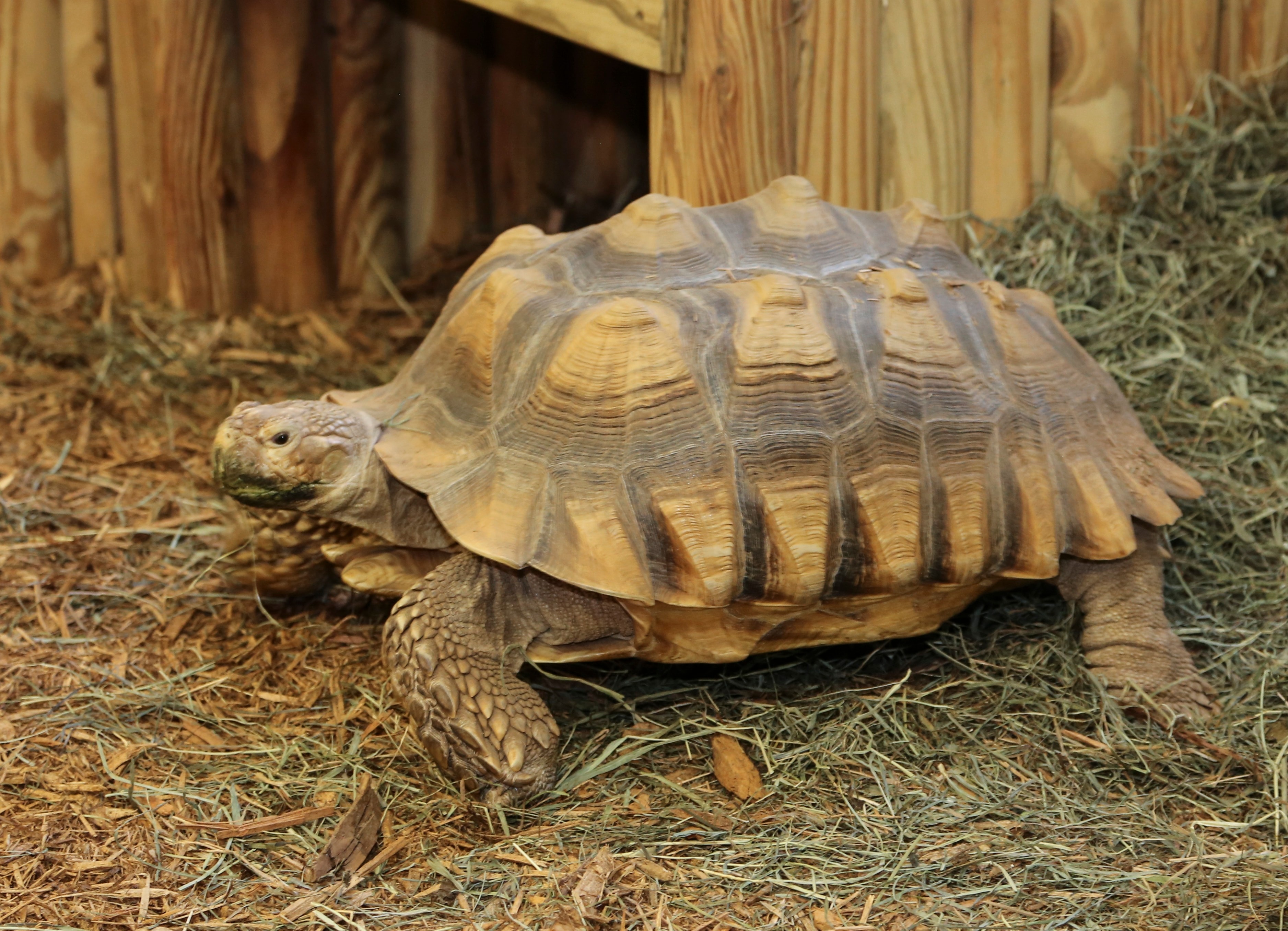
african spurred Tortoise
Seymour
Seymour is the third largest tortoise species after the Galapagos and the Giant Aldabra tortoises and a fan favorite. The heart-shaped bone under the head is called the “gular horn” and is used for “jousting” with other males!
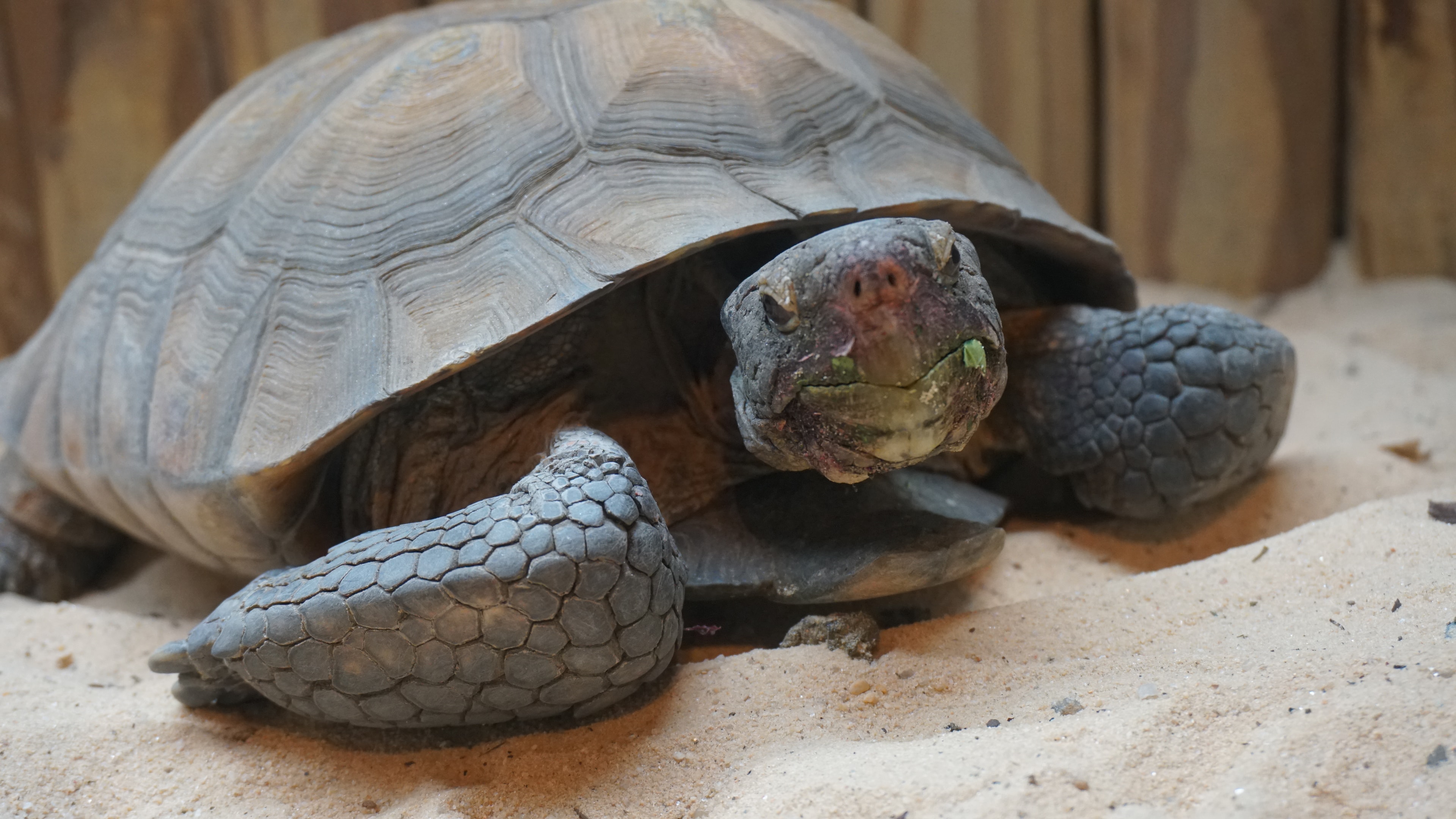
desert Tortoise
Pedro
Pedro is our oldest tortoise at 70 years! Desert tortoises like him "brumate" and burrow to help them survive intense temperature changes. He repeatedly showed up at an active construction site before being donated to CSC.
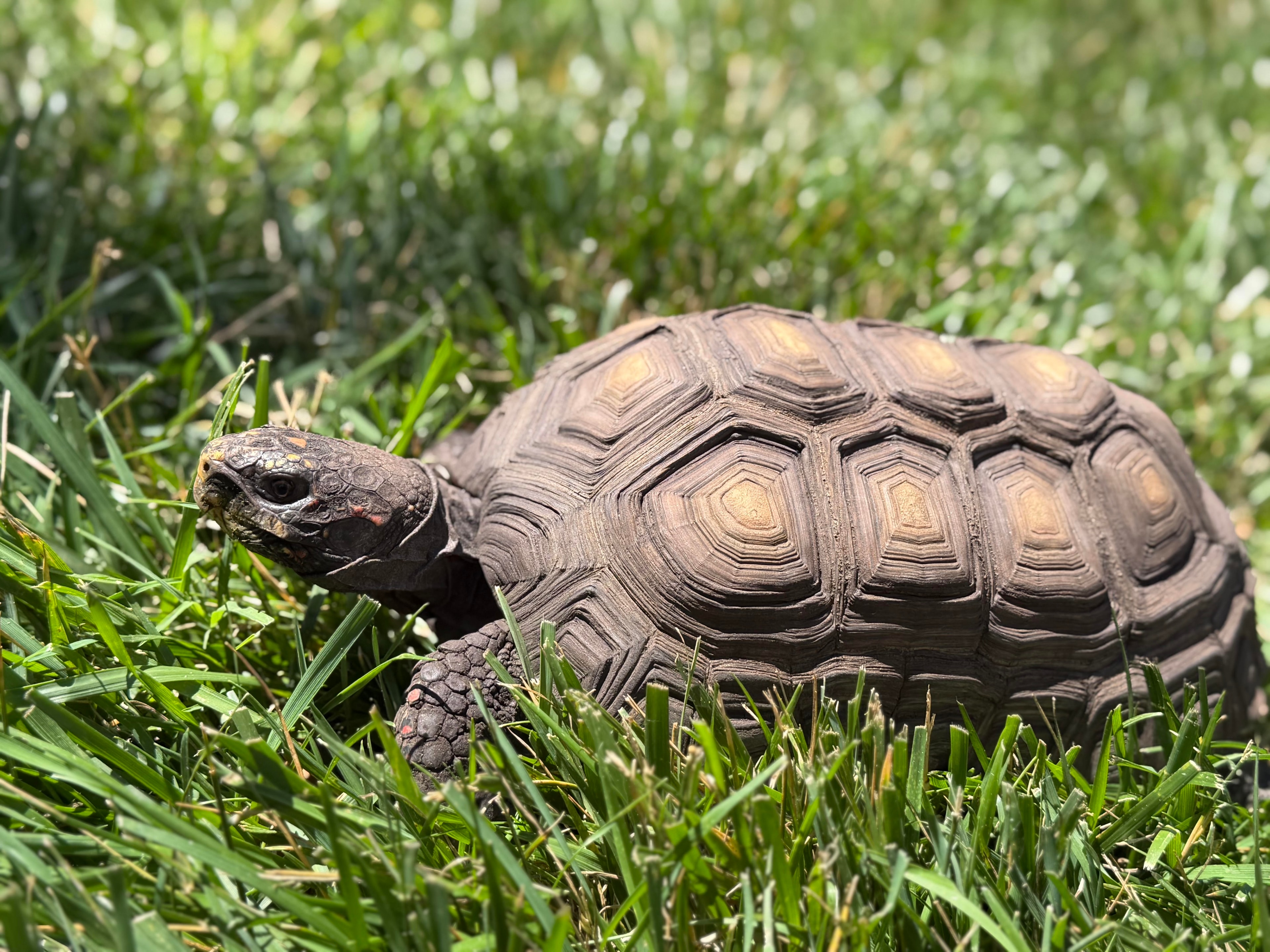
south american red footed Tortoise
Toot
Toot is our smallest tortoise and a rescue. His peculiar “banded” shell shape is due to malnutrition in the past. Males and females of this species use head specific movements to identify each other.
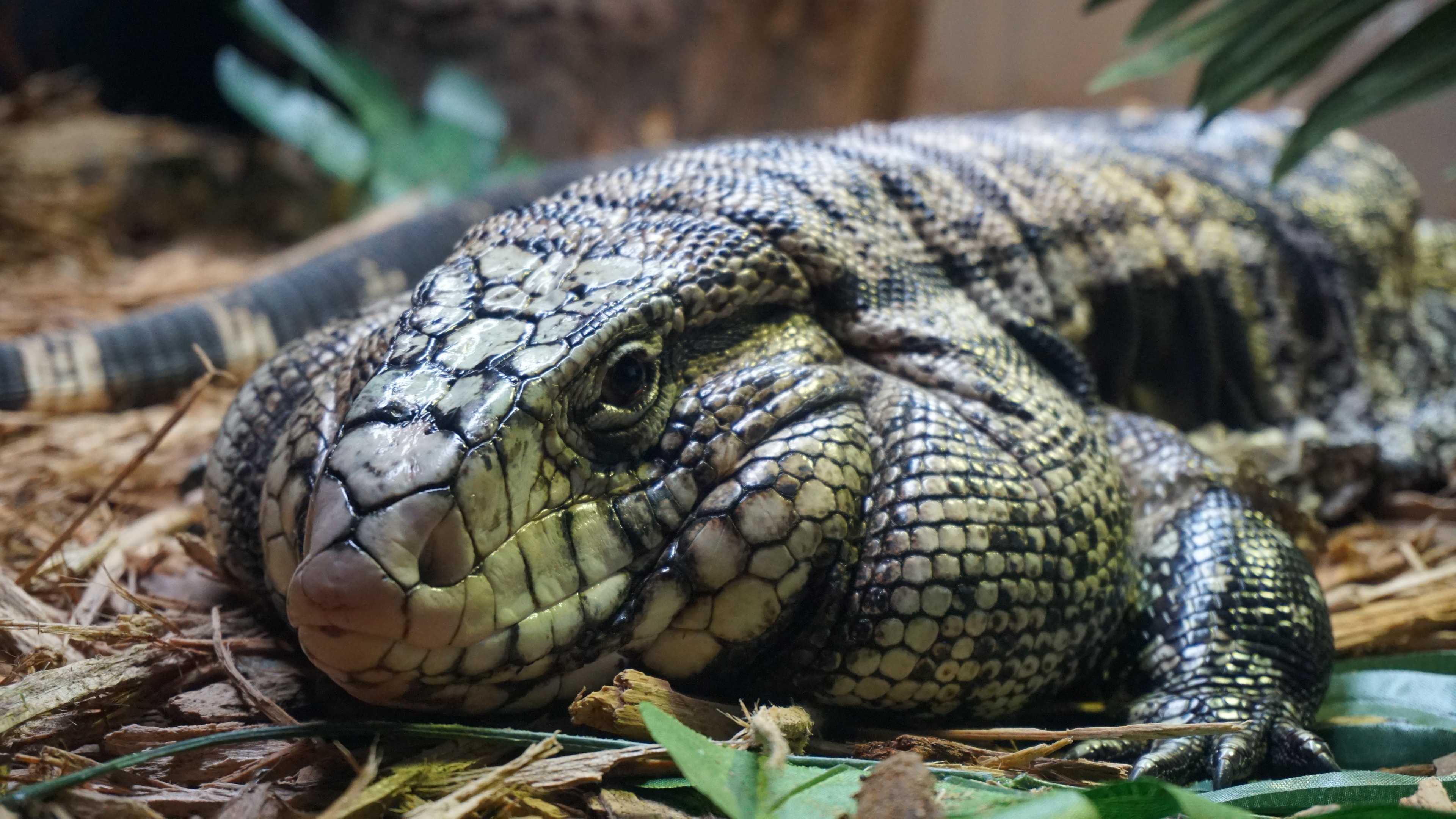
Black & white teugu
Theodore
Theodore is a male Tegu and has large, muscular jowls to attract mates, display dominance to be intimidating to other males. Due to the pet trade they have become established invasive species in parts of the southeastern US, primarily in Florida and Georgia!
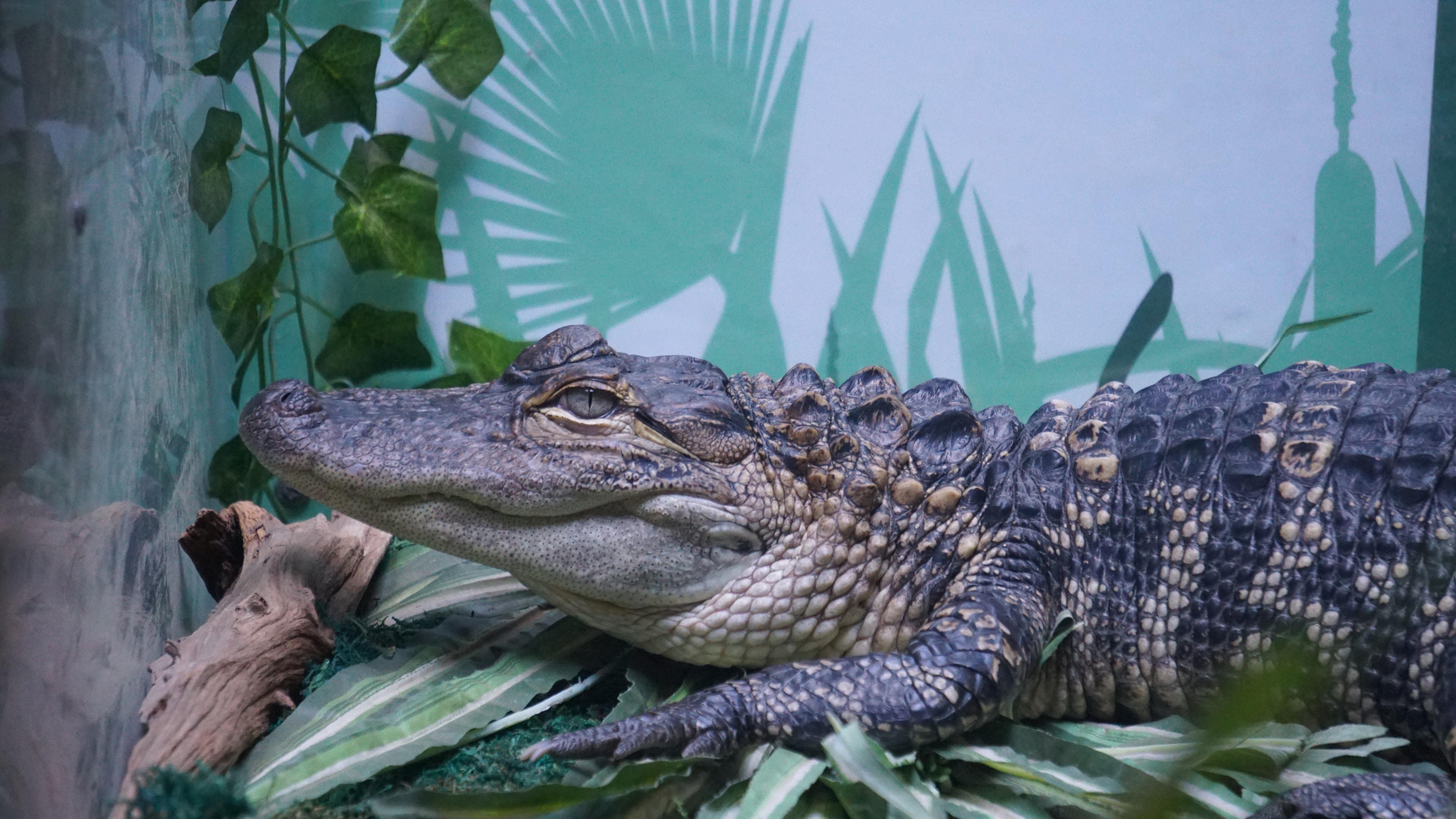
American Alligator
Lucy
American Alligators like Lucy are a keystone species, which means other species depend on them to survive. Alligators are also a conservation success story; once endangered, they now thrive!
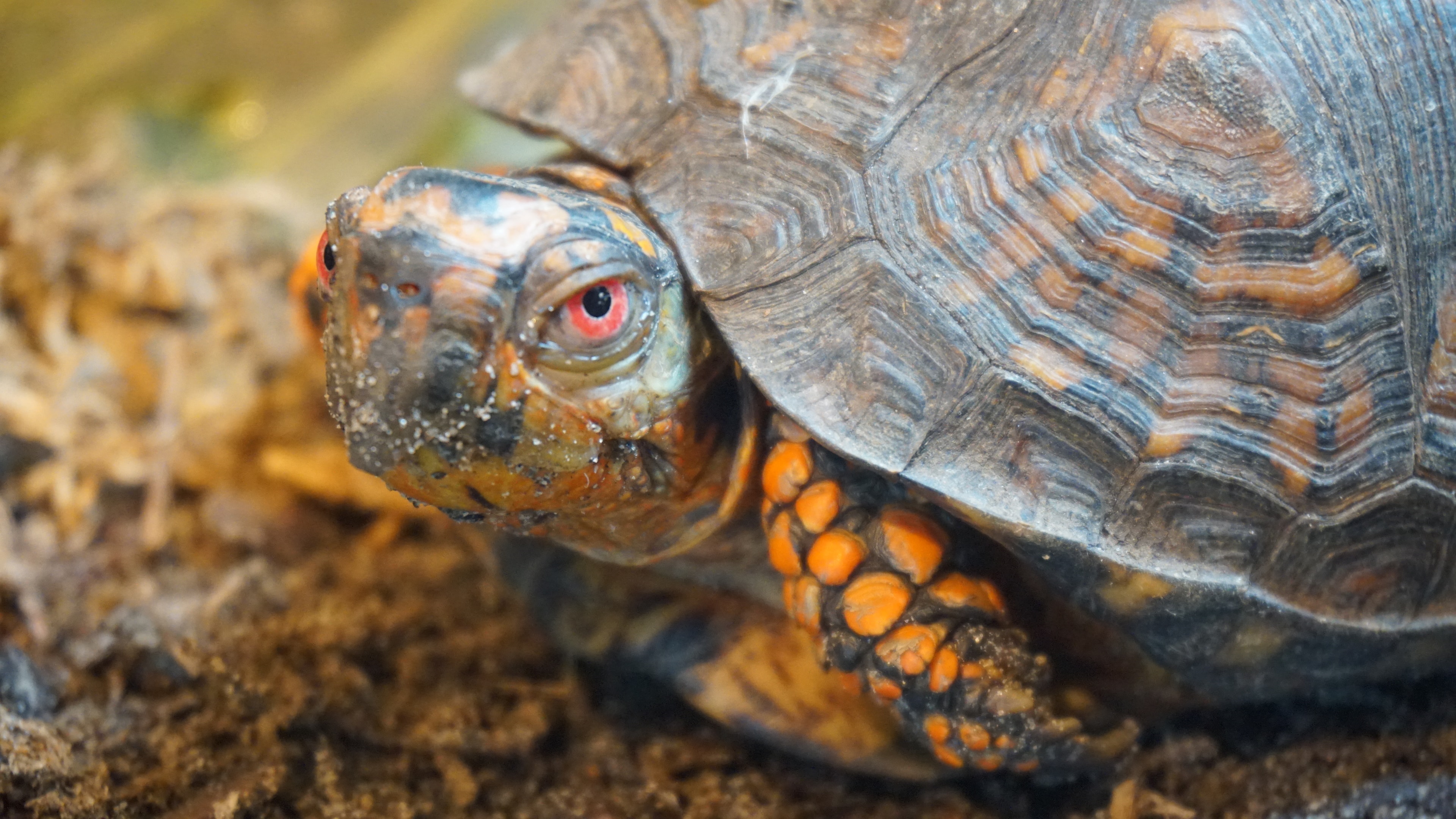
Eastern Box Turtle
Millie
Millie the box turtle can seal himself completely within his shell. They exhibit sexual dimorphism meaning you can tell their gender by their physical attributes. Males like Millie have red eyes and more vibrant coloring than females.
Climate Outpost
A Climate Outpost is a "home base" that helps scientists track climate change. They use several tools to explain, understand, observe, and forecast the Earth's weather.
How many tools can you find at our Weather Station? Use our i-Spy guide to explore the instruments scientists use.
Find Land to Sea
Land to Sea is located inside the Aquarium/Planetarium building on the North side of the SALT Block campus. Look for the Edgerton Gallery inside the building.
View Campus Map
Questions About Land to Sea?
Our team is happy to help with any questions about the exhibit, animal care, or planning your visit.
Phone
(828) 322-8169